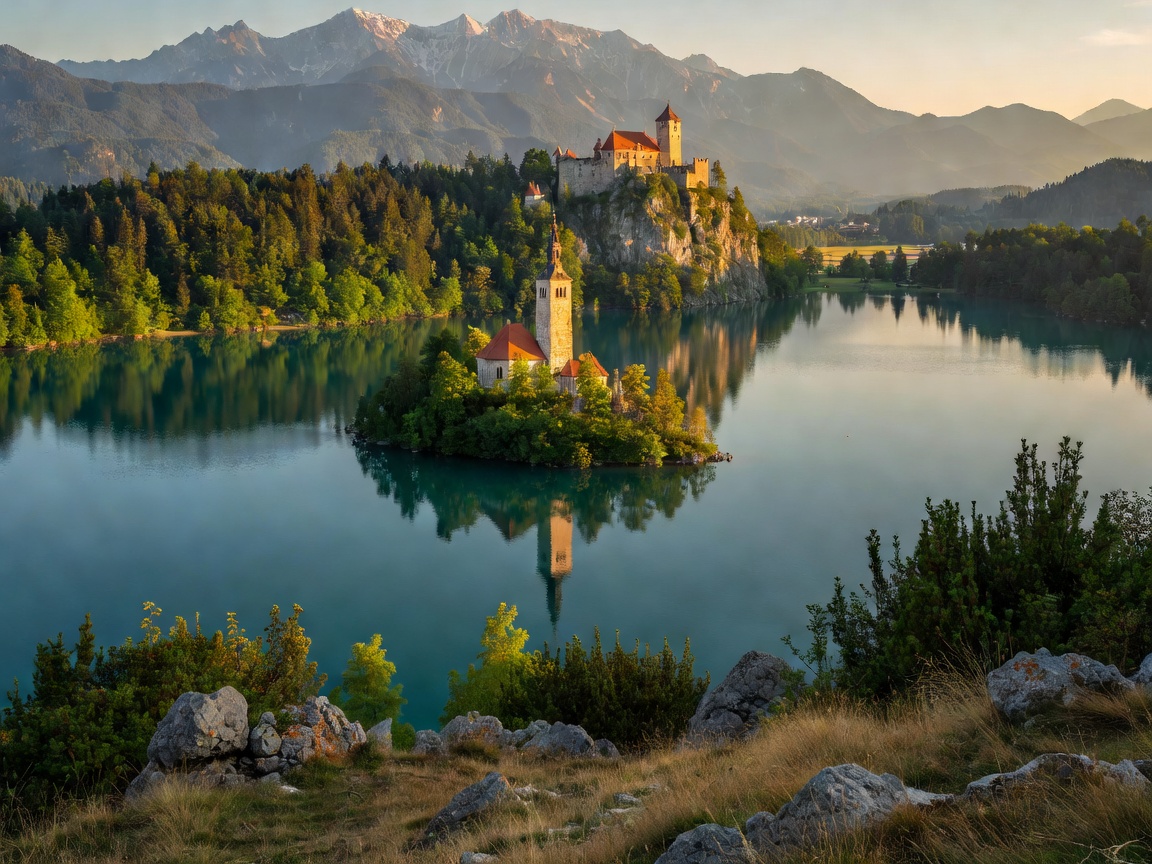
Lake Bled: Ojstrica & Mala Osojnica
Ascend the forested limestone spurs on Lake Bled’s southwestern periphery to reach raw, high-angle perspectives over the iconic tear-drop islet and the Karavanke backdrop.
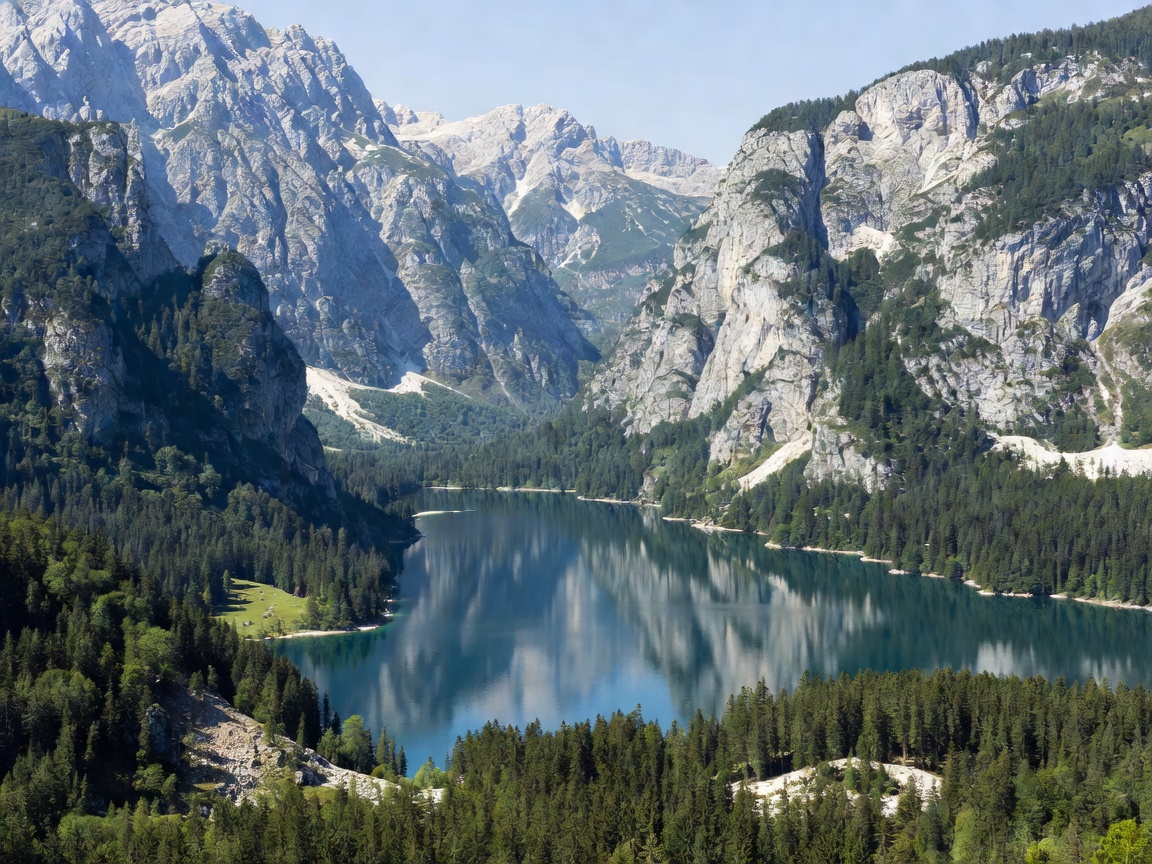
An analytical field guide to the emerald heights, dramatic limestone ridges, and glacial water bodies of the Julian Alps and Kamnik-Savinja ranges.
Explore verified topological routes, elevation profiles, and logistical considerations for Slovenia's most celebrated panoramic perspectives.
Ascend the forested limestone spurs on Lake Bled’s southwestern periphery to reach raw, high-angle perspectives over the iconic tear-drop islet and the Karavanke backdrop.
A wilder, deeper glacial basin nestled in Triglav National Park. Compare modest shoreline rises like Peč with the high-altitude cable ascent to the southern Vogel crest.
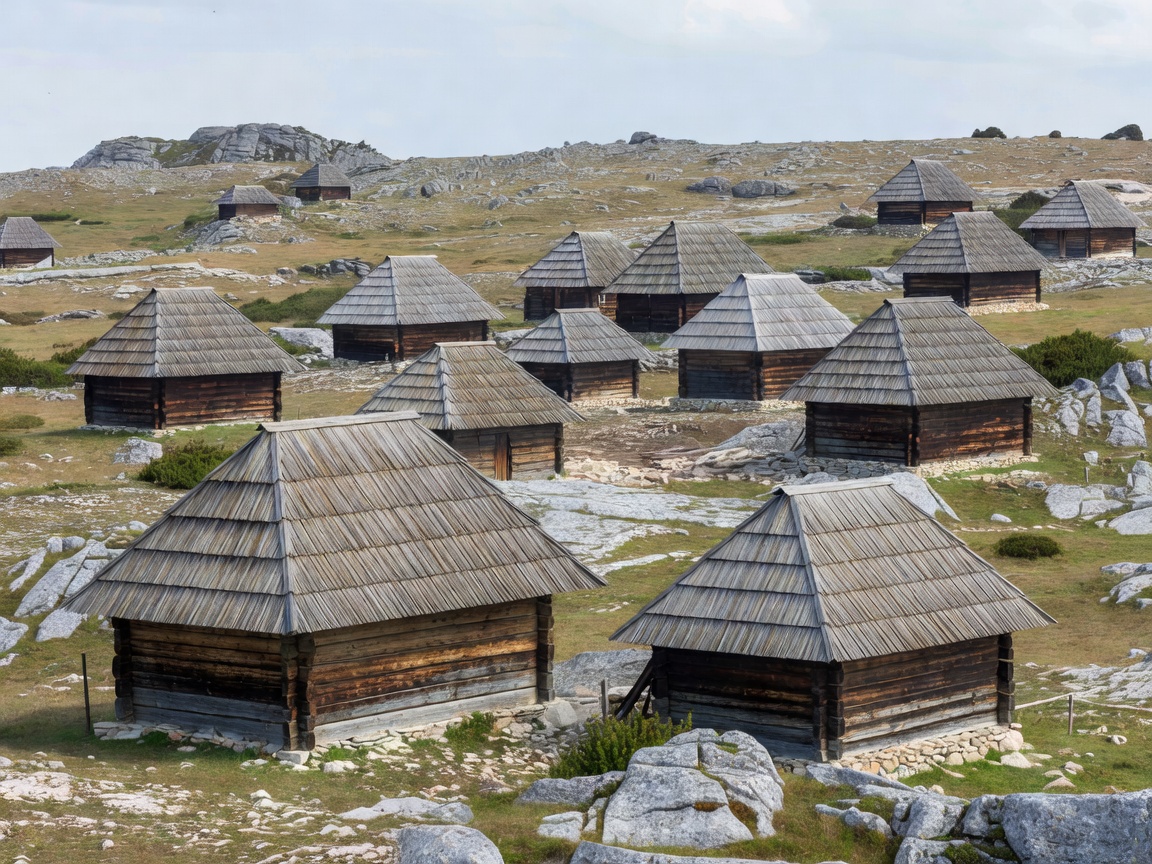
Traverse one of Europe's largest surviving traditional pastoral settlements, where distinctive shingled architecture merges with wide-angle views of sharp limestone summits.
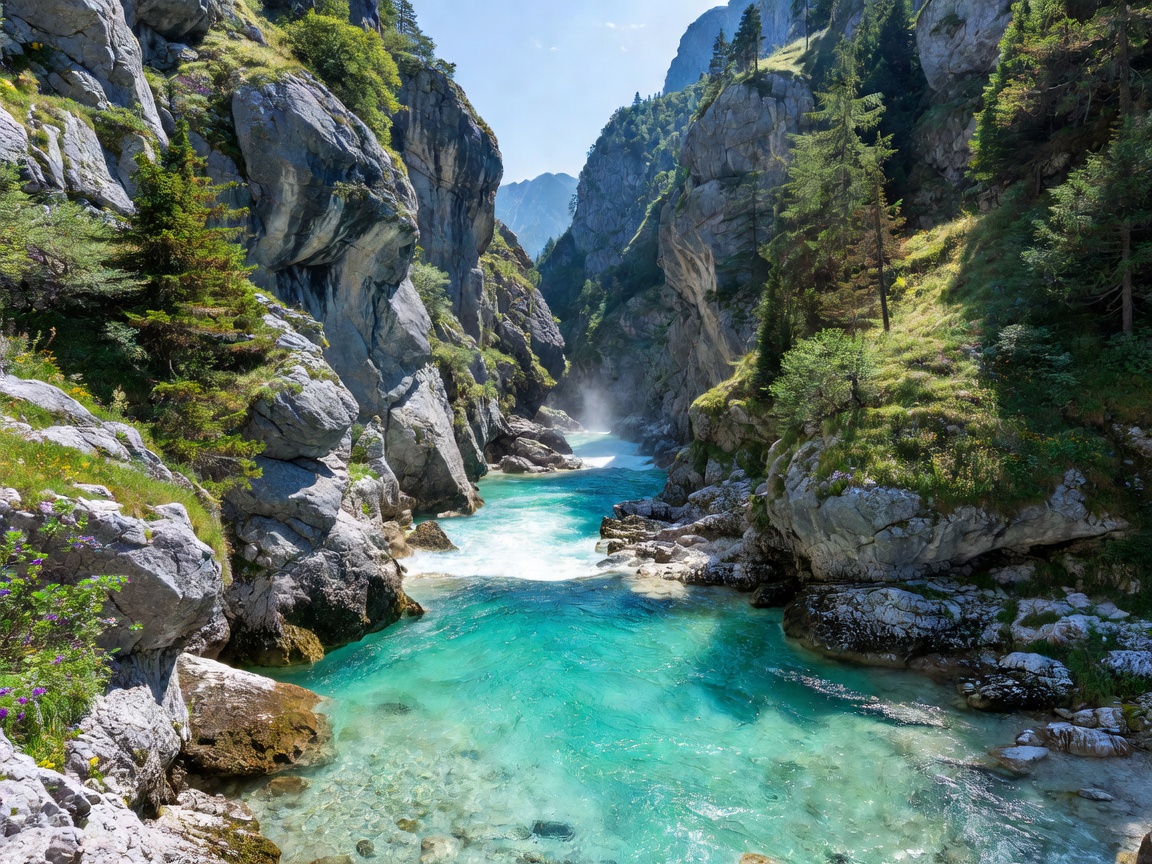
Follow the mineral-rich turquoise waters through deep river gorges and steep historic ridges, documenting vantage points from Tolmin Gorges to Kobarid's mountain crests.
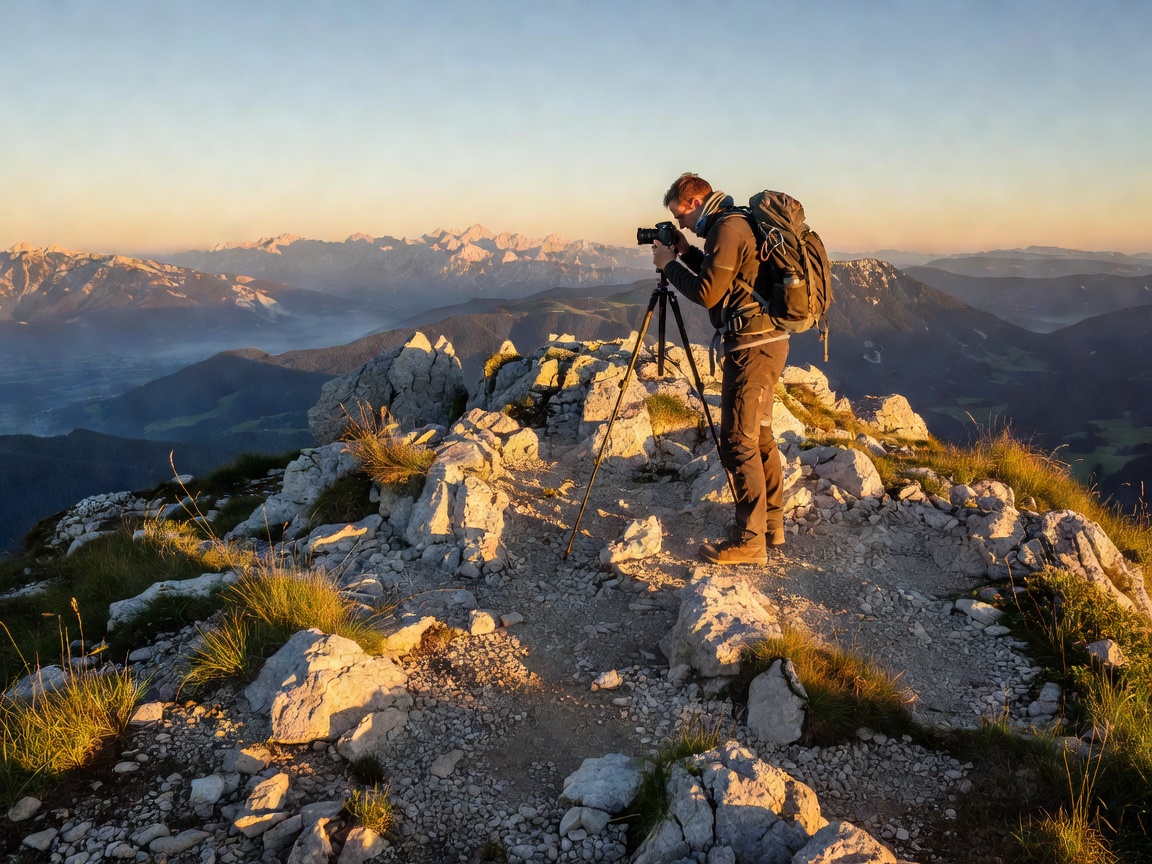
Technical assessments of light dynamics, atmospheric mist patterns, focal length selections, and environmental seasonal timings for Slovenia’s mountain corridors.
The northwestern quadrant of Slovenia represents a dramatic tectonic transition where the Southern Limestone Alps confront Mediterranean air masses. This convergence generates rapid shifts in localized atmospheric transparency, creating conditions highly prized by landscape cartographers and visual artists.
Unlike continuous high massifs, the Julian Alps and Kamnik-Savinja ranges feature steep drops into deep glacial trenches. Elevation gains on these viewpoint approaches often range between 180 and 900 meters over relatively short horizontal distances.